Mahjong Manufacturing Process
How Acrylic Mahjong Tiles Are Made — 10 In-House Steps
From approved drawing to inspected mahjong set in one Shenzhen facility.
USMJ is a custom acrylic mahjong manufacturer operating a 3,000 m² facility in Shenzhen, China with 50+ staff. The facility covers CNC machining, laser engraving, UV printing, clear-coat sealing, tile lamination, assembly and inspection. Tile blanks are cast PMMA only.
ISO 9001 Certified · Manufacturing Since 2012 · Cast PMMA Only · 100% Visual Inspection
Your Mahjong Order, Step by Step
A custom mahjong order at USMJ follows 10 production steps: design review, engineering, material prep, cutting, lamination, chamfer and sealing, engraving and printing, assembly, inspection, and packing. Read the ordering guide to record what the approved sample controls, then use the shipping and payment FAQ to separate factory time from approval and freight. Tile samples ship in 5–7 days; production runs 15–20 days after sample approval.
Design Review
You send the tile format, tile size, artwork, colorway and quantity — a CAD file, a dimensioned sketch, or a physical reference tile all work. Our engineering team reviews it for manufacturability and names what still has to be decided.
Why it matters: The format decides the tile count, the tile size decides the rack length and case footprint. Both belong on one drawing before sampling.
Related: ordering guide ›Engineering & Planning
We create the production drawing, name the engraving or printing route, pick the closest in-stock cast PMMA sheet for each colorway, and issue a written quote against that specification.
Why it matters: The route decides the result. Laser engraving versus UV printing changes how the face ages; single-layer versus 4-layer lamination changes how the character reads.
Related: how to order custom mahjong sets ›Material Preparation
We pull cast PMMA sheet in the approved grade, thickness and colorway. Tiles are cast PMMA only — no melamine and no extruded sheet.
Why it matters: Material is the foundation. A clean engraved face is not achievable if the sheet has inclusions, warp or surface scratches.
Cutting
Tile blanks and case, rack and pusher parts are cut on the laser or CNC route named in the approved process plan. Critical dimensions and measurement points are marked on the drawing.
Why it matters: Material, thickness, geometry and measurement method all affect achievable tolerance, so the paid sample verifies fit before production.
Related: mahjong buying guides ›Tile Lamination
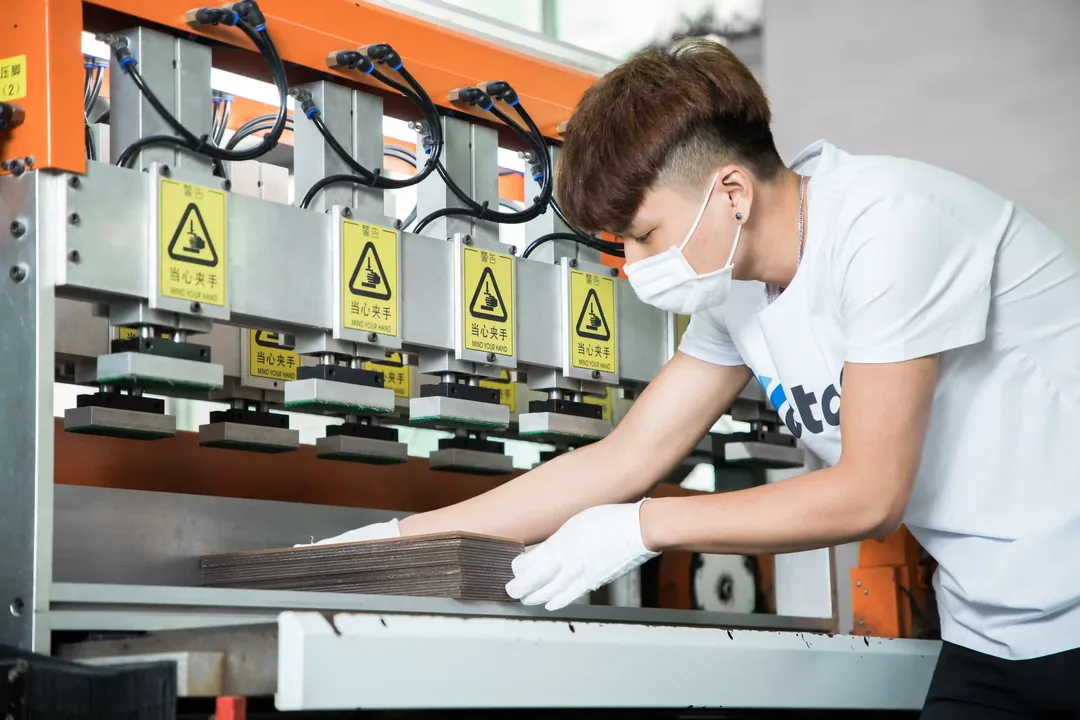
Two-tone and backed tile designs are built as 4-layer laminated stacks with a translucent middle layer, bonded without visible seams. Single-layer cast PMMA is the production-tier default.
Why it matters: The layer stack changes how the engraved character reads from each face, so it is approved on the sample rather than described in writing.
Chamfer & Clear-Coat Seal
All four play edges receive a 0.3 mm CNC chamfer. Engraved and printed faces then take a clear top coat, applied after the color check against your approved sample.
Why it matters: The chamfer is what makes a tile comfortable to handle and resistant to edge contact; the clear coat protects the mark on the face.
Related: mahjong buying guides ›Engraving & Printing
Character and suit marks are laser engraved into the face, then filled and sealed. Full-color artwork, brand Jokers and logo tile backs are UV printed directly on the prepared face.
Why it matters: Both routes are approved on the paid sample first. Engraving sits inside the acrylic; UV printing sits on the face under the clear coat.
Related: artwork readiness ›Assembly & Bonding
Cases, racks and pushers are assembled with solvent bonding or mechanical fixings per the approved drawing. Tiles are counted, racks fitted, and inserts placed.
Why it matters: Joint geometry, surface preparation, clamping and cure affect appearance and strength, so the joint is approved on the sample.
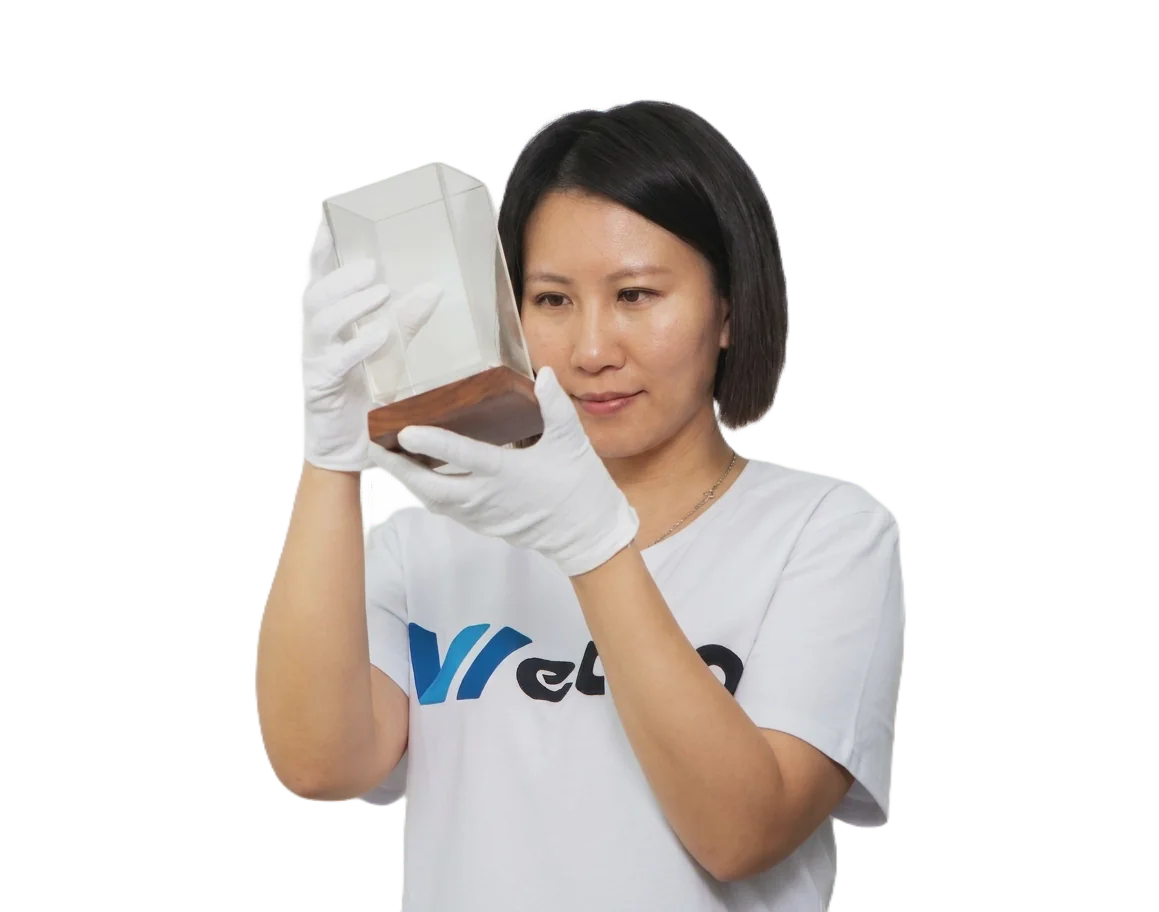
Quality Inspection
Every set gets 100% visual inspection and a color check against your approved sample. ISTA 3A drop testing is available on request or on specified programs.
Why it matters: Define the release evidence before production. The approved sample, the released drawing and the packing specification are what inspection works to.
Related: quality control ›Packaging & Shipping
Tiles are packed in the approved insert, then into the sleeve and carton named in the packing specification. Standard protective packing ships on every order; custom packaging joins from 1,000 sets.
Why it matters: Acrylic is rigid but brittle under impact, so the packout is checked on the sample and again on the first-off run.
Mahjong Manufacturing Capabilities
USMJ operates CNC machining, laser engraving, UV printing, clear-coat sealing, tile lamination, assembly and inspection within a 3,000 m² ISO 9001-certified Shenzhen facility with 50+ staff.
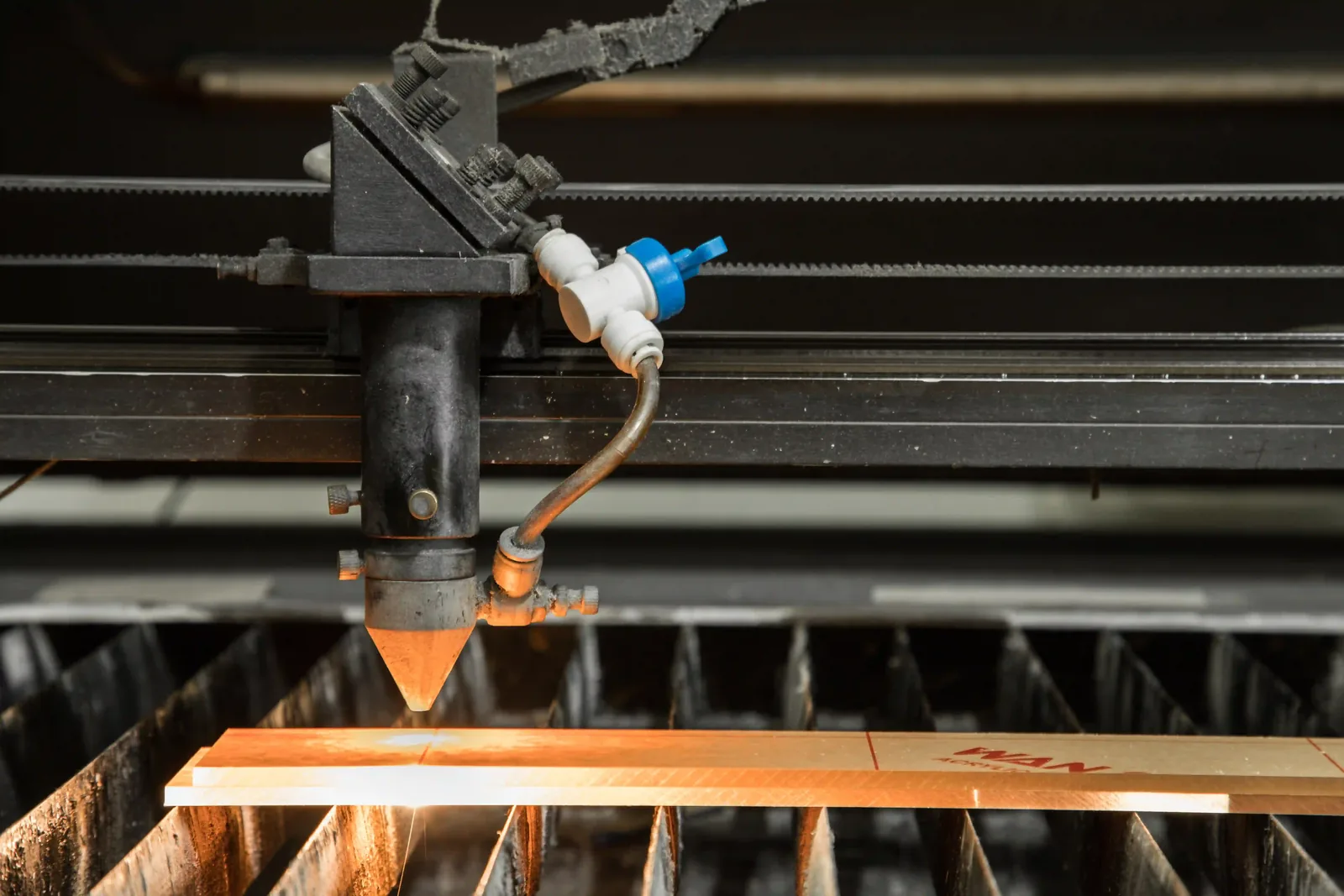
Laser Engraving
Character and suit marks are engraved into the tile face along programmed paths, then filled and sealed. Depth, legibility and fill color are confirmed on the approved sample.
Process window: drawing- and sample-approved
Typical use: tile faces, tile backs, engraved monograms on pusher arms
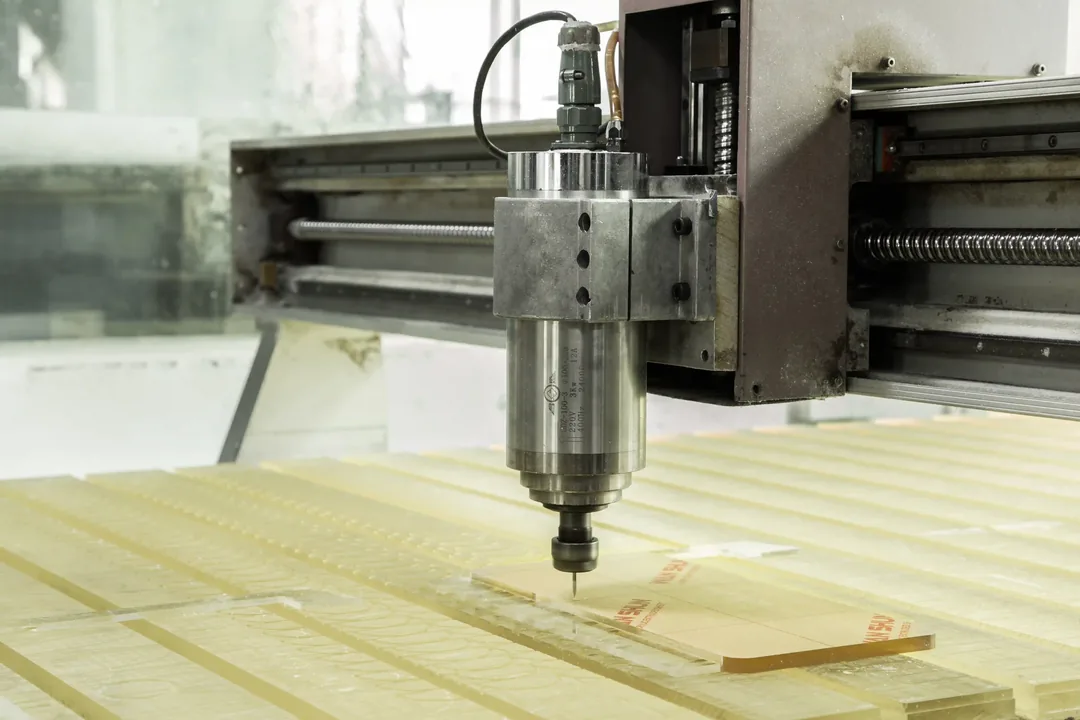
CNC Machining & 0.3 mm Chamfer
Tile bodies are machined to the approved size with a 0.3 mm chamfer on all four play edges. Rack slots and pusher profiles are cut from the same released drawing.
Process window: drawing- and sample-approved
Typical use: tile bodies, rack slots, pusher arms, case panels
Clear-Coat Seal
A clear top coat is applied over the engraved or printed face after the color check against your approved sample. The approved sample defines the finish.
Finish: sample-approved
Typical use: engraved tile faces, UV-printed tile faces and Jokers
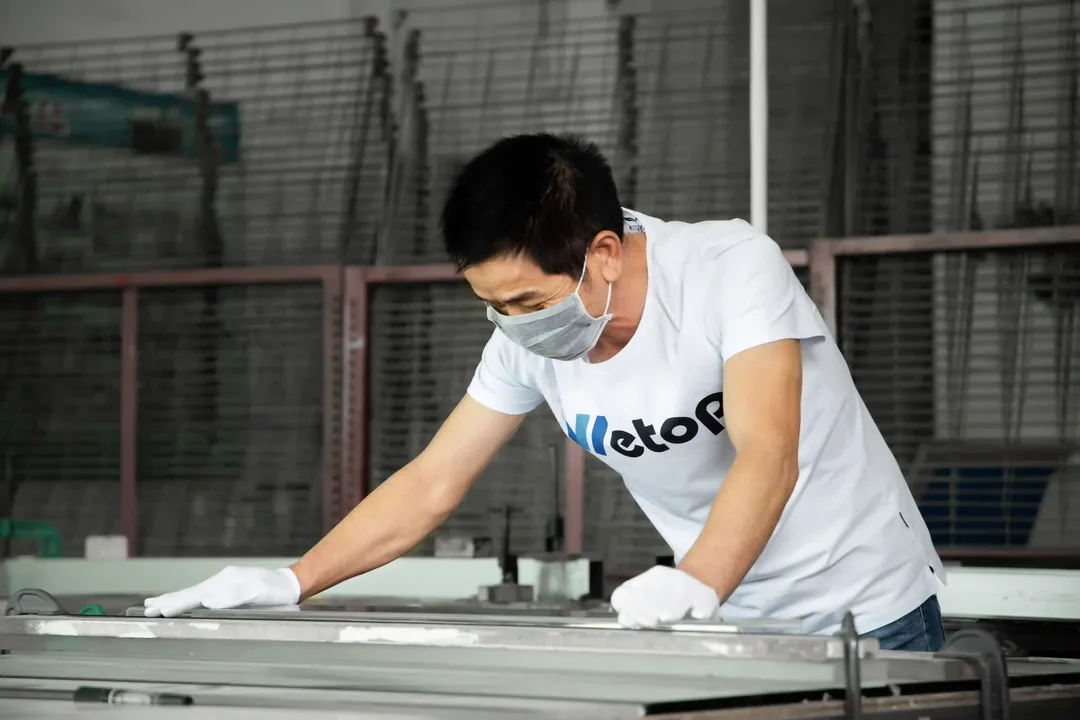
4-Layer Lamination
Laminated tile stacks add a translucent middle layer so the engraved character reads from both faces. Grade, layer order and bond line are named on the drawing.
Construction: named material, drawing, and sample
Typical use: two-tone tiles, backed tiles, collector-edition sets
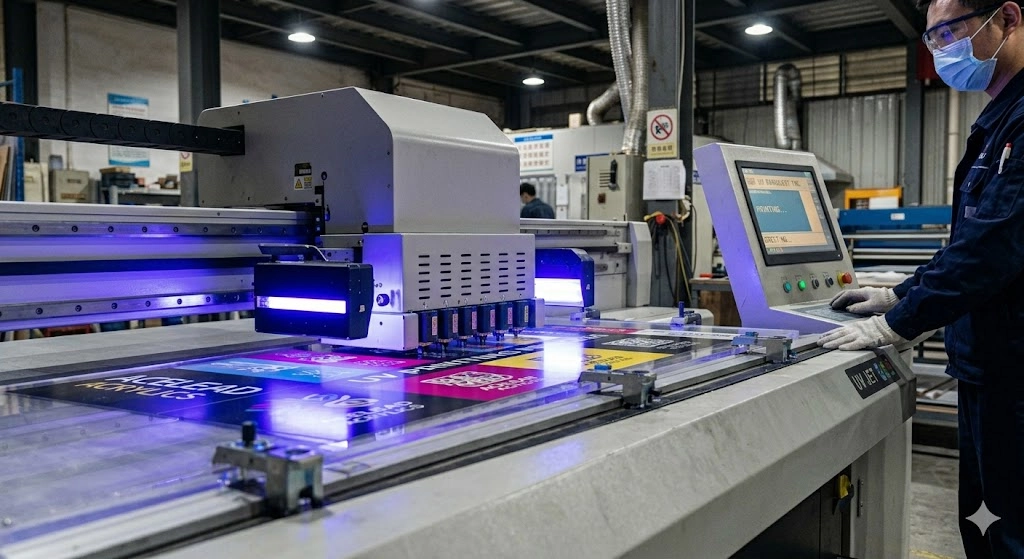
UV Printing
UV-curable ink is printed onto a prepared tile face. Approve the named grade, pretreatment, ink stack, physical color target, register and handling on the sample.
Color and adhesion: project-specific acceptance criteria
Typical use: brand Jokers, printed tile backs, custom suit artwork
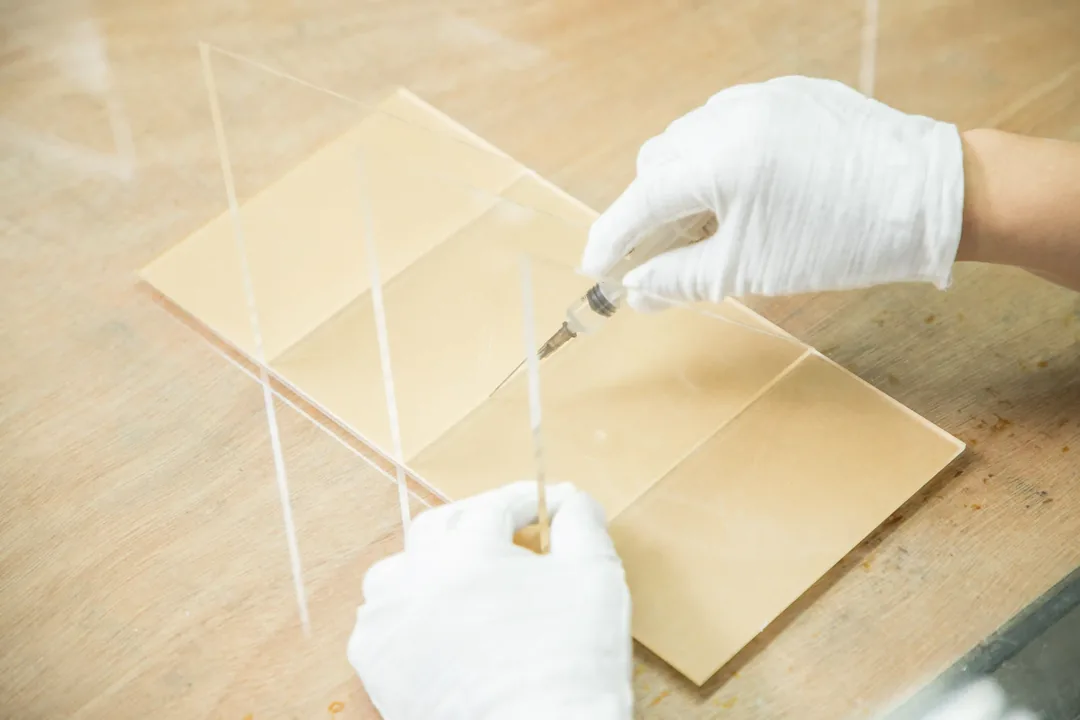
Assembly & Packing
Cases, racks and pushers use solvent bonding, mechanical fixings, or magnetic closures. Sets are counted, fitted, inserted and packed to the approved packout.
Methods: solvent, mechanical, magnetic · Acceptance: project-specific
Typical use: display and travel cases, rack-pusher sets, complete set packout
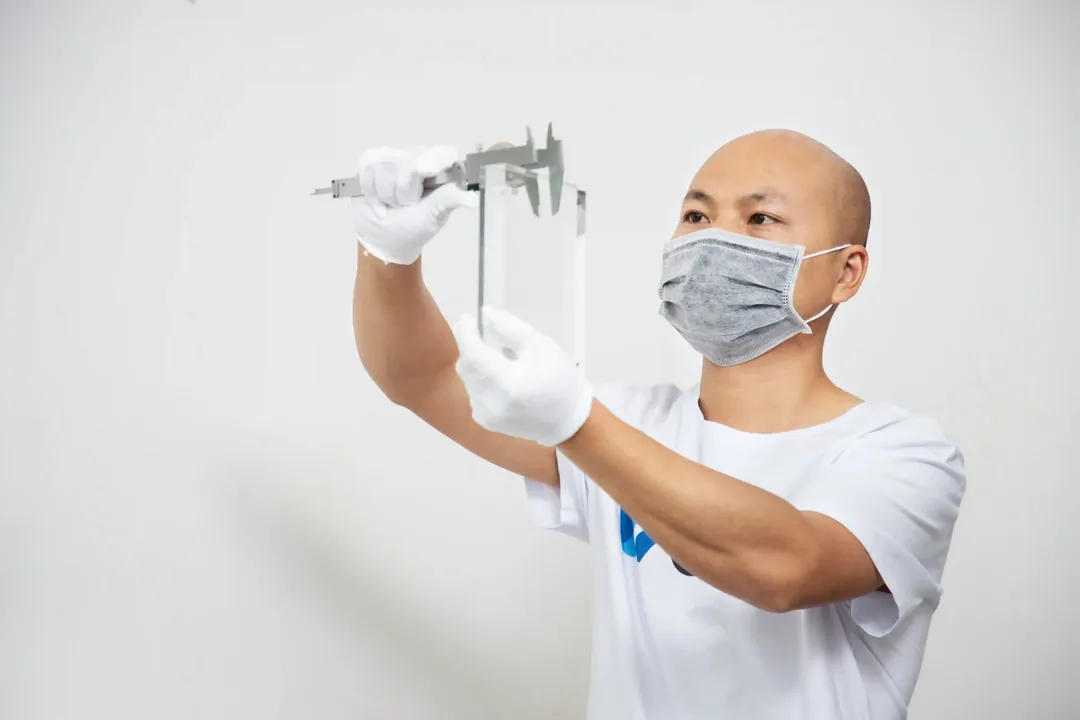
Every Mahjong Set. Every Order. Inspected.
Every set is inspected against the order's approved references for tile dimensions, face quality, engraving or print alignment, color and assembly before shipment. ISTA 3A drop testing is available on request or on specified programs.
The approved drawing and production-representative sample define the release standard.
Frequently Asked Questions
What manufacturing processes does USMJ use for mahjong products?
USMJ's 3,000 m² Shenzhen facility covers CNC machining with a 0.3 mm edge chamfer, laser engraving, UV printing, clear-coat sealing, 4-layer tile lamination, assembly and inspection. Read the engraving versus UV printing options for the decoration decision, or use the mahjong buying guides to compare process evidence across suppliers.
What is the difference between laser engraving and UV printing on a tile?
Laser engraving cuts a channel into the tile face which is then filled and sealed, so the mark sits inside the acrylic. UV printing lays the artwork on the face and takes a clear coat over it. We name the route on the drawing and confirm it on the paid sample.
What surface finishes are available for mahjong tiles?
The standard finish is a clear-coat seal over the engraved or printed face, with a 0.3 mm CNC chamfer on all four play edges. Frosted and colored sheet options are matched from the in-stock cast PMMA range and approved on the physical sample.
How do you print logos and artwork on mahjong tiles?
Two routes are used. Laser engraving cuts and fills the mark, which suits characters, suit marks and monograms. UV printing applies full-color artwork directly to the face, which suits brand Jokers, printed tile backs and custom suit designs. Both take a clear-coat seal and both are approved on the sample.
How long does the manufacturing process take from start to finish?
Production takes 15–20 days from approved sample to shipment. Tile samples are ready in 5–7 days, a 12-tile color check in about 7 days, and a full set in 7–10 days including air freight. Air freight then runs 3–7 days and sea freight 14–30 days.
How are cases, racks and pushers assembled?
Solvent bonding, mechanical fixings and magnetic closures each have different appearance, strength and service characteristics. The drawing, named PMMA grade, joint geometry and approved sample decide which is used. See our quality control page for how inspection evidence is agreed before production.
Published planning point
Send the drawing into the production process
Published point for a standard-spec engraved NMJL 152-tile set in cast PMMA with 30 × 23 × 13 mm tiles and a clear-coat seal. It is a named product reference, not a process fee or a quote for your specification.
Paid samples are quoted separately and are never credited to production.
Thank you!
We've received your inquiry. Our Shenzhen team will follow up by email.
You don't need to know all ten steps. We do.
Send the tile format, size, artwork and quantity — or just a reference tile and a deadline. We will name the production route, the sample step, and the price at your quantity.